
Ritalin Addiction Treatment
Individuals who suffer from Ritalin abuse can overcome their challenges by entering a prescription drug abuse treatment program. Since this drug is often prescribed to people who are living with attention-deficit hyperactivity disorder, it is also important for individuals with Ritalin dependence to seek out treatment for co-occurring ADHD and addiction.
Ritalin addiction treatment programs can help people safely stop using the drug, deal with the underlying causes of drug abuse, and build the skills needed for long-term recovery. With the right combination of medical care, therapy, and ongoing support, recovery from Ritalin addiction is entirely possible.
Although Ritalin is meant to help those who are living with the symptoms of ADHD, it unfortunately has a high potential for abuse and risk of developing a physical dependency. Over time, the misuse of this prescription drug can lead to physical dependence, psychological addiction, and serious health consequences.
Understanding Ritalin Addiction
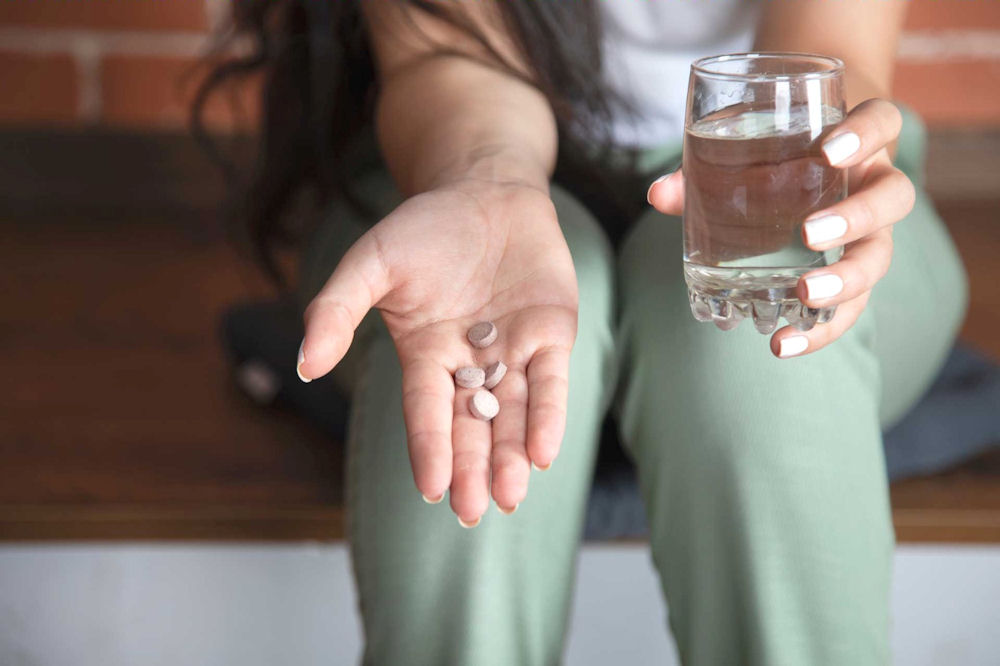
Ritalin addiction develops when repeated misuse alters the brain’s reward system. Over time, the brain begins to rely on the drug to function normally, leading to compulsive use despite negative consequences.
Individuals who take Ritalin should use it according to a medical professional’s directions. Using the proper dosage can lower the risk of developing addiction.
Why is Ritalin Addictive?
Stimulant drug abuse is particularly common among students, professionals, and athletes who seek to enhance productivity and energy levels. Ritalin misuse often involves taking more Ritalin than prescribed or using multiple doses throughout the day to maintain its effects. This pattern of use can quickly lead to dependence and addiction.
Factors that increase the risk of Ritalin addiction include:
- Taking large or frequent doses
- Taking more Ritalin than prescribed or using multiple doses throughout the day
- High-stress academic or work environments
- Co-occurring mental health disorders
- Using Ritalin without a prescription
- Snorting or injecting the drug
- A history of substance abuse
Signs and Symptoms of Ritalin Addiction
- Obsessing over obtaining or using the drug
- Doctor shopping or stealing prescriptions
- Declining performance at school or work
- Financial problems related to drug use
- Social withdrawal or secrecy.
- Elevated blood pressure
- Loss of appetite and weight loss
- Increased heart rate and blood pressure
- Insomnia or irregular sleep patterns
- Headaches and dizziness
- Nausea or stomach pain
- Tremors or restlessness
- Mood swings
- Anxiety or panic attacks
- Irritability or aggression
- Depression when not using Ritalin
- Paranoia or hallucinations (in severe cases)
- Cravings and compulsive drug-seeking behavior
- Withdrawal symptoms when not using Ritalin, such as fatigue, depression, and difficulty concentrating
When used as prescribed, Ritalin can have a calming effect that helps individuals focus. However, the misuse of Ritalin can lead to the opposite psychological symptoms, including increased anxiety, agitation, and other negative effects.
Discover More About Common Addictions


If you or a loved one is struggling with substance use, know that recovery is possible. With the right care and support, individuals can make lasting changes and build a healthier, more hopeful future.
Effects of Ritalin Abuse
- Increased alertness and energy
- Reduced need for sleep
- Elevated mood or euphoria
- Decreased appetite
- Chronic anxiety or depression
- Psychosis or severe paranoia
- Cognitive impairment and memory problems
- Cardiovascular problems, such as a heart attack or stroke
- Increased risk of substance abuse disorder and other mental disorders
- Physical dependence and withdrawal symptoms
In rare cases, Ritalin overdose is possible. In such cases, medical assistance should be called immediately.
Long-term misuse may also worsen ADHD symptoms over time, especially when Ritalin is taken without medical supervision. Individuals who begin using Ritalin at a young age may face more difficult recovery processes and require tailored treatment approaches.
Ritalin Withdrawal Symptoms
Common Ritalin Withdrawal Symptoms
- Depression
- Feelings of hopelessness
- Difficulty concentrating
- Intense drug cravings
- Sleep disturbances
- Increased appetite
- Extreme fatigue
Since Ritalin withdrawal symptoms can be severe, professional Ritalin addiction treatment is best. It can help ensure safety and comfort during the early stages of recovery.
Ritalin Addiction Treatment Options

Effective addiction treatment programs address both the physical and psychological aspects of drug abuse. Treatment plans are typically individualized based on the person’s needs, substance use history, and any co-occurring disorders.
Medical detox is often the first step in Ritalin addiction treatment. Detox should always be supervised by a healthcare provider or other medical professionals to ensure safety and proper management of withdrawal symptoms.
During the detox process, individuals are monitored by healthcare professionals as the drug leaves their system. Medical staff can provide supportive care to manage symptoms such as depression, anxiety, and insomnia.
While detox alone is not a cure for addiction, it prepares individuals for the therapeutic work that follows.
Inpatient rehab programs provide 24/7 care in a structured environment. These programs are often recommended for individuals with severe Ritalin addiction, long-term misuse, or co-occurring mental health conditions.
Benefits of inpatient Ritalin addiction treatment include:
- Constant medical and emotional support
- Removal from triggers and access to drugs
- Daily therapy and skill-building sessions
- Peer support from others in recovery
Inpatient rehab typically lasts between 30 and 90 days, though longer stays may be recommended in some cases.
Outpatient addiction treatment allows individuals to live at home while attending scheduled therapy sessions and treatment activities. This option may be appropriate for those with mild to moderate addiction or strong support systems at home.
Types of outpatient programs include:
- Partial hospitalization programs
- Intensive outpatient programs
- Standard outpatient program
Outpatient care offers flexibility while still providing structured support and accountability.
Behavioral therapy for addiction plays a major role in Ritalin addiction treatment. These therapies help individuals understand why they misuse Ritalin and develop healthier coping strategies.
Cognitive Behavioral Therapy (CBT)
Cognitive behavioral therapy helps individuals identify and change negative thought patterns and behaviors associated with drug use. It is especially effective for stimulant addiction and relapse prevention.
Individual Counseling
Individual therapy for addiction provides a safe space to explore personal challenges, stressors, and emotional issues related to Ritalin abuse. Individual counseling is an important part of achieving successful recovery from addiction, as it helps address underlying issues and supports long-term sobriety.
Group Therapy
Group therapy allows individuals to share experiences, gain insight from peers, and build a sense of community during recovery. It also provides ongoing support to help prevent relapse, which is a critical part of maintaining long-term recovery from Ritalin addiction.
Family Therapy
Ritalin addiction can strain relationships with loved ones. Family therapy helps repair trust, improve communication, and educate family members about addiction and recovery.
Many people who struggle with Ritalin addiction also have co-occurring mental health disorders, such as ADHD, anxiety, depression, or bipolar disorder. Dual diagnosis treatment addresses both conditions simultaneously, reducing the risk of relapse and improving long-term outcomes.
Integrated care may include:
- Psychiatric evaluation
- Medication management
- Therapy for mental health symptoms
- Coping strategies for stress and emotional regulation
Recovery from Ritalin addiction does not end when a rehab program is completed. Ongoing support is essential for maintaining sobriety and preventing relapse.
Common aftercare program options may include:
- Sober living homes
- Continued outpatient therapy
- Support groups such as 12-step or non-12-step programs
- Alumni programs through rehab centers
- Relapse prevention planning
Aftercare helps individuals transition back into daily life while staying connected to recovery resources.
How Drug Rehab Programs Help People Recover From Ritalin Addiction
Effective Ritalin addiction treatment helps people:
- Safely stop using the drug
- Develop healthy coping skills
- Rebuild relationships and self-esteem
- Understand the root causes of their addiction
- Create a sustainable, drug-free lifestyle
Get Help
Get Help for Ritalin Addiction Today
Take the first step toward a healthier, more fulfilling life by reaching out for help today. Let our team at DrugHelp.com assist you in finding rehab options near you.
Frequently Asked Questions About Ritalin Addiction Treatment
Have more questions?
Get help today
Yes, Ritalin can be addictive, especially when misused. Taking high doses, using it without a prescription, or altering how it is taken increases the risk of addiction.
The length of treatment varies depending on the severity of addiction and individual needs. Programs can last from a few weeks to several months, followed by ongoing aftercare.
Common withdrawal symptoms include fatigue, depression, increased appetite, sleep problems, and strong cravings. Medical supervision can help manage these symptoms safely.
Yes, with proper treatment and support, recovery from Ritalin addiction is absolutely possible. Many people go on to live healthy, drug-free lives.
The best option depends on the individual. Inpatient rehab offers intensive support, while outpatient programs provide flexibility. A professional assessment can help determine the most appropriate level of care.
Yes, many rehab programs offer dual diagnosis treatment to address co-occurring mental health conditions alongside Ritalin addiction.

Jessica Granata is a board-certified Family and Psychiatric Mental Health Nurse Practitioner in Palm Beach County, FL. She has served as a Nursing faculty member, teaching courses at both the graduate and undergraduate levels, and has been a preceptor, training numerous Nurse Practitioner and Physician Assistant students from several universities. She has 20 years of experience working in mental health and substance abuse treatment.